




















English · Paragraph
A School Library Paragraph
A paragraph describing a school library — 150 to 1000 words.
A school library is the room in a school where many kinds of books are kept.
Tip: choose the version whose length matches your exam — the shorter editions (150–250 words) suit PSC, JSC and SSC, while SSC, HSC and university-admission answers often call for 300–1000 words.
A School Library Paragraph (150 Words)
A school library is a special room in a school building where a large collection of books and reading materials is kept for the use of students and teachers. It is a quiet and orderly place where young learners can read, study, and explore ideas beyond the boundaries of the classroom. The collection usually includes textbooks, storybooks, encyclopaedias, dictionaries, newspapers, and magazines on a wide range of subjects. A trained librarian manages the books, keeps them neatly arranged on shelves, and assists students in finding what they need. Students visit the library during free periods or in a dedicated library period to read or borrow books. Regular use of the library improves vocabulary, broadens general knowledge, and builds the habit of independent reading. A well-organised school library is therefore one of the most important assets of any good educational institution.
A School Library Paragraph (200 Words)
A school library is a dedicated room within a school where a carefully selected collection of books and reading materials is maintained for the benefit of students and teachers. It is regarded as the intellectual heart of the school, providing a calm and focused environment in which young learners can seek knowledge that goes beyond the printed pages of their prescribed textbooks. The collection of a typical school library contains textbooks, supplementary readers, novels, encyclopaedias, dictionaries, scientific magazines, and illustrated publications suited to different grade levels. A qualified librarian is responsible for cataloguing new arrivals, maintaining records of borrowed books, keeping the shelves in order, and guiding students to the materials most relevant to their needs. Many schools include a library period in the weekly timetable so that every student gets the opportunity to visit regularly. Reading in the library cultivates concentration, enriches vocabulary, and fosters a genuine curiosity about the world. Students who make regular use of the school library tend to perform better in examinations and grow into well-informed individuals. A library is truly one of the most valuable gifts a school can offer its students.
A School Library Paragraph (250 Words)
A school library is a dedicated room within a school building where a large collection of books, journals, and other reading materials is stored and made accessible to students and teachers. It is considered the intellectual heart of any school, offering a quiet and well-organised space where young learners can explore subjects beyond the limits of the classroom. The library's collection typically includes prescribed textbooks, supplementary readers, novels, encyclopaedias, dictionaries, atlases, scientific magazines, and illustrated books suited to every grade level. A trained librarian oversees the collection, catalogues new books, maintains borrowing records, and helps students locate the materials they require.
Students are encouraged to visit the library during free periods, and many schools dedicate one period each week specifically to library use. Borrowing books from the library inspires wide reading habits and allows students to pursue topics they find personally interesting. Regular reading in the library improves vocabulary, sharpens comprehension, and builds the capacity for independent learning. It also develops discipline, as students must maintain silence, handle books with care, and return borrowed copies on time. A school library reflects the educational philosophy of the institution; a richly stocked and properly managed library signals a school's commitment to nurturing thoughtful, well-read, and intellectually curious citizens. Students who take full advantage of the library leave school with far more knowledge and critical thinking ability than those who rely solely on classroom instruction.
A School Library Paragraph (300 Words)
A school library is a specially designed room within a school where a broad collection of books and reading materials is preserved and made available to students and teachers. It functions as the intellectual centre of any educational institution, providing a quiet and orderly environment where young minds can seek knowledge far beyond what the prescribed curriculum alone can offer. The typical school library holds textbooks, supplementary readers, classic and modern novels, encyclopaedias, dictionaries, atlases, scientific periodicals, children's magazines, and illustrated reference books suited to learners at every level. Books are arranged systematically on labelled shelves, making it easy for students to find what they are looking for. A qualified librarian manages the entire operation — cataloguing new acquisitions, recording issues and returns, repairing damaged books, and providing guidance to students who are unsure where to begin their search.
Schools that value reading often include a dedicated library period in their weekly timetable, ensuring that all students have the opportunity to visit and benefit from the resource. Students may borrow books to read at home, which encourages reading as a leisure activity rather than a chore. This habit of wide reading brings enormous benefits: vocabulary grows, comprehension deepens, general knowledge expands, and the ability to think critically and independently is strengthened. The library also instils important values such as discipline, responsibility, and respect for shared property. A school library mirrors the educational vision of the institution; the richer and better managed the library, the more motivated and well-rounded the students it produces. In an age of digital media, the school library remains a quiet sanctuary where the joy of reading a real book can still be discovered and treasured by every new generation.
A School Library Paragraph (500 Words)
What Is a School Library
A school library is a specially designed room within a school where a broad, carefully curated collection of books and reading materials is maintained and made accessible to students and teachers. It serves as the intellectual centre of the school — a quiet, orderly space where young learners can seek knowledge that extends far beyond the confines of the prescribed curriculum. Unlike a classroom, where learning is directed by a teacher, the library offers students the freedom to choose what they wish to read, follow their own curiosity, and learn at their own pace. The collection of a well-equipped school library usually encompasses prescribed textbooks, supplementary readers, classic and modern works of fiction, encyclopaedias, dictionaries, atlases, scientific periodicals, illustrated magazines, and reference books suited to every level from primary to higher secondary. A qualified librarian is responsible for cataloguing acquisitions, recording issues and returns, repairing worn books, and guiding students to the most appropriate materials for their needs.
Importance and Benefits of the School Library
The importance of a school library in the overall development of students cannot be overstated. Many schools incorporate a dedicated library period into the weekly timetable, ensuring that every student has the chance to browse the shelves, borrow a book, or simply sit quietly and read. This regular exposure to books builds a lasting habit of reading that stays with students long after they leave school. Wide reading enriches vocabulary, improves writing skills, sharpens comprehension, and deepens understanding of the world. Students who frequent the library consistently outperform their peers in examinations, as they bring a wider frame of reference to every subject they study. Beyond academic success, the library teaches values that are difficult to learn elsewhere: the discipline to sit quietly, the responsibility of caring for borrowed property, the patience to search for information, and the intellectual humility to realise how much there is still to learn. A school library is not merely a collection of books; it is a living institution that shapes the minds and characters of the young people who use it. In a rapidly changing world flooded with information of uncertain quality, the skill of finding reliable knowledge — cultivated in the library — is more valuable than ever.
A School Library Paragraph (800 Words)
Introduction
A school library is a specially furnished room within a school building where a broad and carefully chosen collection of books and other reading materials is stored and made freely available to students and teachers. It is regarded as the intellectual heart of the educational institution — a place where curiosity is rewarded, imagination is nourished, and knowledge beyond the classroom is within everyone's reach. Unlike a classroom, which operates on a fixed syllabus and teacher-directed instruction, the library offers students the freedom to explore any subject that interests them, following their own questions wherever they may lead. A well-run school library is not merely a room full of books; it is a living educational resource that actively contributes to the intellectual and personal development of every student who walks through its doors.
The Collection and Physical Space
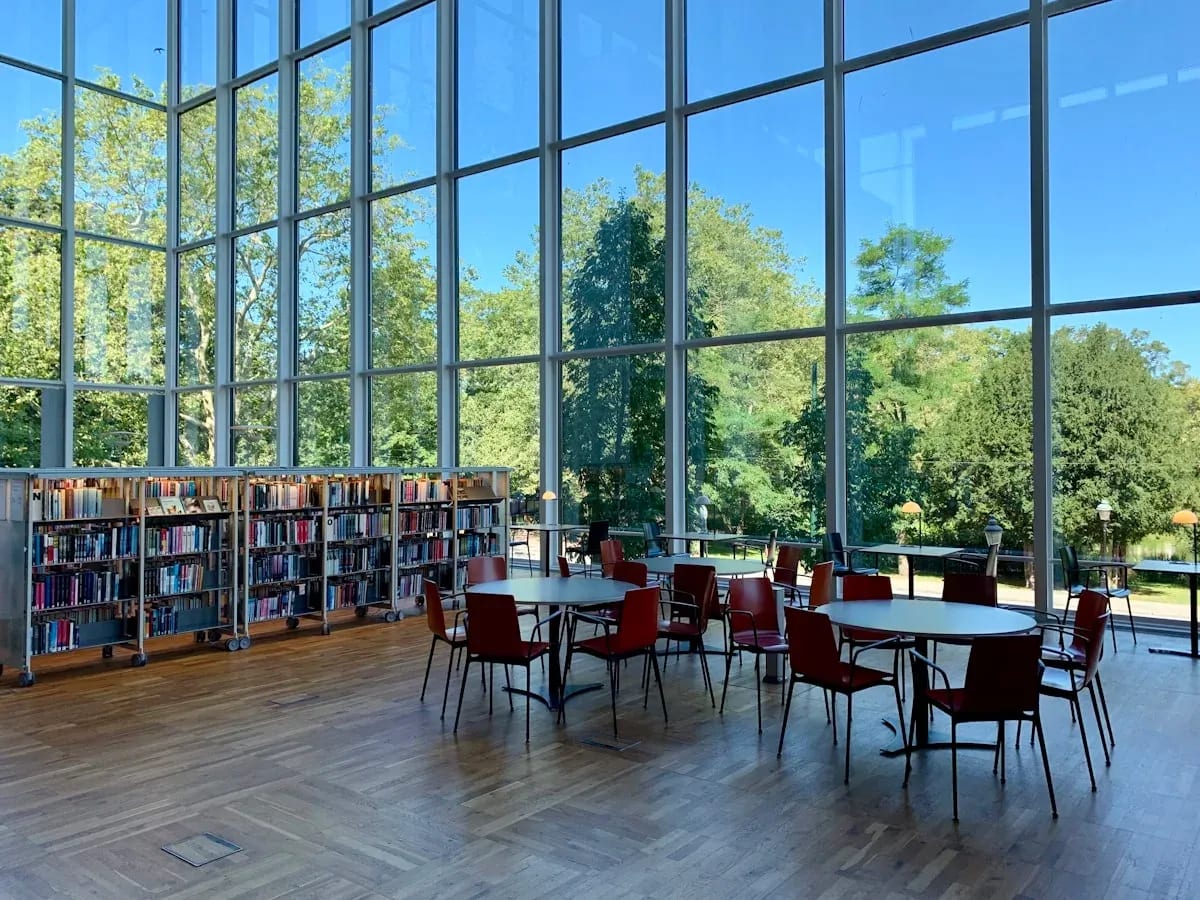
The collection of a good school library is both broad and balanced. It typically includes prescribed textbooks and their supplementary guides, classic and contemporary works of fiction, collections of poetry and drama, encyclopaedias and multi-volume reference sets, bilingual and monolingual dictionaries, atlases, scientific and general-interest magazines, newspapers, and illustrated books suited to younger readers. Books are catalogued by subject and arranged on clearly labelled shelves so that students can locate what they need without difficulty. The physical space of the library matters too. Adequate natural and artificial lighting, comfortable reading tables and chairs, well-ventilated shelving units, and a calm atmosphere free from noise are all essential features of a library that students will actually want to use. Display boards showing new arrivals, reading recommendations, and subject-related posters add life to the space and spark interest in books that students might otherwise overlook.
The Role of the Librarian
A trained and dedicated librarian is the soul of the school library. The librarian's duties go far beyond simply handing out and receiving books. They are responsible for selecting and purchasing new titles that match the curriculum and the interests of the students, cataloguing each new acquisition, maintaining proper records of all issued and returned items, repairing damaged books, and weeding out outdated materials. Crucially, the librarian also plays an educational role — helping students develop research skills, guiding them to credible sources of information, recommending books suited to a particular student's level and interest, and teaching them how to use the catalogue, the index, and reference volumes effectively. A warm, approachable, and knowledgeable librarian can transform a student's relationship with books and reading for life.
Importance and Lasting Benefits
The benefits that a good school library confers on its students are wide-ranging and lasting. In the short term, it supports classroom learning by providing reference materials, wider reading on set topics, and the books required for literature studies. In the long term, regular library use builds a habit of reading that continues into adulthood, bringing with it lifelong benefits: a rich vocabulary, fluent writing, sharp comprehension, and the ability to seek and evaluate information independently. Students who read widely are generally better thinkers, more empathetic human beings, and more effective communicators than those who confine their reading to textbooks alone. The library also teaches important personal values — discipline, punctuality in returning borrowed books, silence and consideration for fellow readers, and a sense of shared responsibility for community property. Schools that invest seriously in their libraries — with funds for new acquisitions, proper staffing, and a welcoming physical environment — invariably find that their students are more motivated, more academically successful, and more intellectually alive. In an age when digital devices offer instant distraction, the school library remains one of the finest places a young person can spend their time.
A School Library Paragraph (1000 Words)
Introduction
A school library is one of the most vital and enriching spaces within any educational institution. It is a specially furnished room where a large, carefully curated collection of books, periodicals, and reference materials is maintained for the free use of students and teachers. More than a storeroom for books, the library serves as the intellectual nerve centre of the school — a sanctuary of quiet learning where young minds are free to pursue knowledge in any direction their curiosity leads them. Unlike the classroom, which is structured around a fixed syllabus and teacher-directed instruction, the library places the learner at the centre, allowing students to choose their own reading, set their own pace, and discover ideas and stories that the curriculum alone could never encompass. A well-resourced and properly managed school library is therefore not an optional luxury but an essential foundation of quality education.
The Physical Space and the Collection
The quality of a school library can often be judged by the range and depth of its collection. A well-stocked library holds prescribed textbooks and curriculum guides alongside a rich selection of supplementary and recreational reading: classic and contemporary novels, collections of short stories and poetry, plays, encyclopaedias, subject-specific reference sets, bilingual and monolingual dictionaries, atlases, scientific journals, illustrated magazines for younger readers, and current newspapers. Books are organised systematically — commonly by subject area or the Dewey Decimal Classification — and placed on clearly labelled shelves so that students can navigate the collection independently and efficiently.
The physical design of the library is equally important. Good lighting, comfortable and appropriately sized reading furniture, adequate ventilation, and orderly shelving create the calm, welcoming atmosphere that encourages students to linger and read. Display boards showcasing new acquisitions, thematic book recommendations, and student reading achievements make the space feel dynamic rather than static. Reading corners, quiet study carrels, and group discussion areas — when space permits — cater to different styles of learning. A library that feels inviting and alive will attract far more students than one that feels cold and neglected.
The Librarian's Role
The school librarian is arguably the most important person in the library and one of the most underappreciated members of the school staff. A trained librarian's responsibilities encompass a wide range of professional duties. They select and purchase new books to keep the collection current and relevant, catalogue each acquisition, and maintain accurate records of all issued and returned items. They supervise the library space, ensuring that it remains orderly, quiet, and pleasant to use. They repair or withdraw books that are worn or damaged and manage the library's budget responsibly.
Beyond these administrative roles, the librarian is a teacher of information literacy. They guide students in using the catalogue, the index, and specialised reference works; they help students formulate research questions and find credible, accurate answers; and they recommend books matched to a student's reading level, school subject, or personal interest. A librarian who is approachable, enthusiastic about books, and genuinely interested in the students' development can have a profoundly positive effect on young readers. Many adults who grew up to love reading recall with gratitude a librarian who put exactly the right book into their hands at exactly the right moment.
Benefits of Regular Library Use
The benefits that flow from regular and purposeful use of the school library are numerous and far-reaching. At the most immediate level, the library supports day-to-day classroom learning by providing reference works, wider reading on topics covered in lessons, and the literary texts required for English and Bengali studies. At a deeper level, habitual library use builds a range of cognitive and personal qualities that contribute to academic success. Wide reading rapidly expands vocabulary — students who read extensively know and use a greater variety of words, which improves performance across all subjects. It sharpens reading comprehension, develops the ability to follow complex arguments, and trains the mind to retain and organise information. Regular readers also tend to be better writers, because exposure to well-crafted prose teaches them by example how to structure ideas, vary sentence length, and choose precise words.
Beyond academic skills, the library cultivates personal values that are difficult to teach in the classroom alone. It requires and thereby teaches self-discipline: sitting quietly, concentrating for extended periods, and using shared space considerately. It teaches responsibility, as students must return borrowed books on time and in good condition. It teaches patience in the face of a search that does not yield instant results — a quality especially valuable in an age of on-demand digital gratification.
Conclusion
A school library, when well managed and generously resourced, is one of the most powerful educational tools available to any institution. It supplements and enriches classroom teaching, develops habits of reading and research that serve students throughout their lives, and instils values of discipline, responsibility, and intellectual curiosity. Schools that invest in their libraries — through adequate budgets, professional librarians, regular acquisition of new books, and the creation of a welcoming physical environment — reap the rewards in more motivated, more academically capable, and more broadly educated students. In a world increasingly dominated by short-form digital content and algorithmic distraction, the school library stands as a quiet but vital counterforce, preserving the art of deep reading and offering every student the opportunity to encounter ideas, stories, and knowledge that can genuinely change how they see and understand the world around them.
Frequently Asked Questions
A school library is a room in a school where a large collection of books, magazines, and reference materials is kept for students and teachers to read and borrow. It provides a quiet space for study and self-learning beyond the prescribed curriculum.
A school library helps students find information for their studies, read books beyond the syllabus, improve their vocabulary, and develop the habit of independent reading. It also supports teachers in lesson planning and research.
A school library is important because it broadens students' knowledge beyond the textbook, sharpens their reading and writing skills, and cultivates a lifelong love of learning. Regular library use is closely linked to better academic performance and stronger critical thinking.
A librarian manages the book collection, catalogues new arrivals, maintains borrowing records, and assists students in finding the books and information they need. A good librarian also encourages reading by recommending suitable books and teaching students how to use reference tools effectively.
Looking for more paragraphs?
Browse the full collection of English paragraphs for PSC, JSC, SSC, HSC and admission — or level up for study abroad with our free IELTS guide.
আমাদের সাথে যুক্ত থাকো
পড়াশোনার আপডেট, সাজেশন ও প্রশ্নোত্তর সবার আগে পেতে আমাদের ফেসবুক পেজ ও গ্রুপে যুক্ত হও।