
















Writing a CV and Preparing for the Viva
বাংলায় পড়তে চাও? দেখো: সিভি লেখা ও ভাইভা প্রস্তুতি
Plenty of candidates do well in the written exam and then fall back at the viva — because a viva tests personality, presentation and honesty more than knowledge. In private-sector jobs the CV is the first hurdle: a weak one means never being called at all.
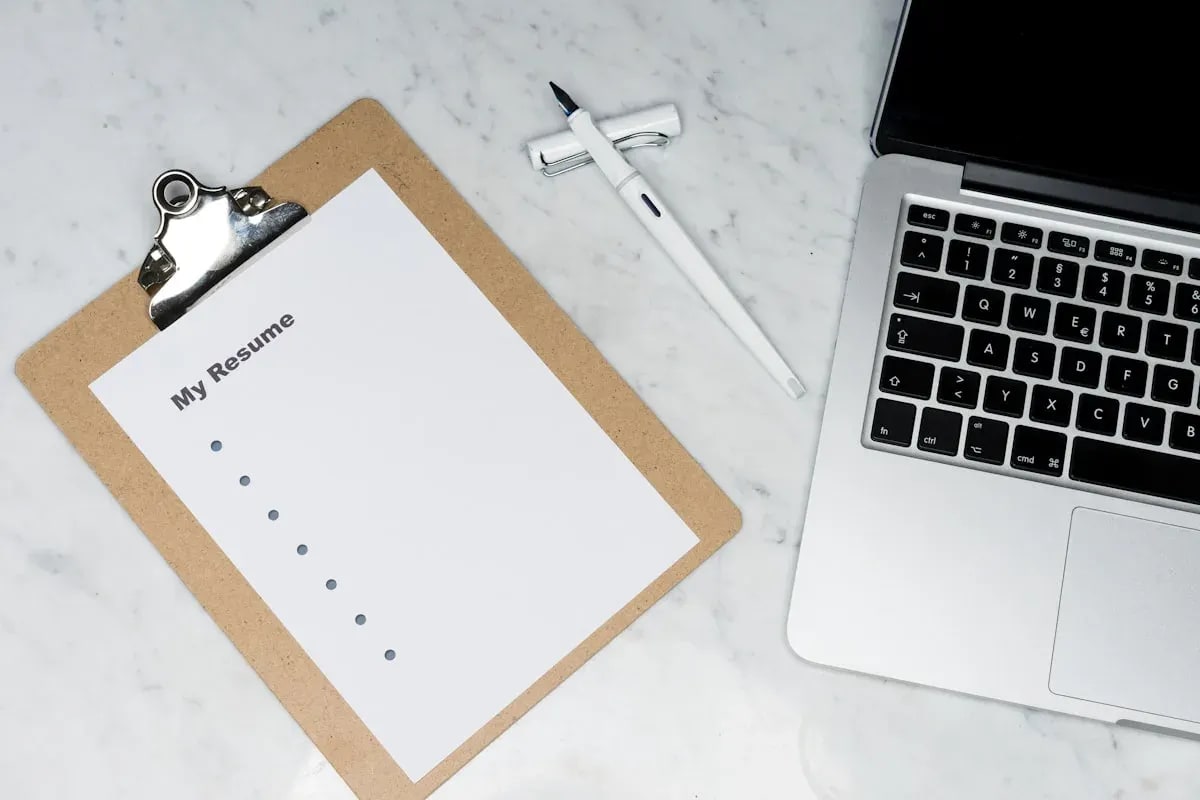
What belongs in a CV
- Name, mobile, email and address at the top, clearly. Use a professional email address.
- A two-line career objective, written to match the specific post.
- Education, most recent first, with year, institution and result.
- Experience — organisation, role, dates and two or three bullets on what you did.
- Skills — computing, languages and the specific skills the post needs.
- Training, co-curricular activities and volunteering, where relevant.
- Two referees, with their permission.
Keep it to one or two pages, and tailor it slightly for each post — sending an identical CV everywhere is the commonest mistake.
CV mistakes to avoid
- Spelling and grammar errors — even one raises doubts about your professionalism.
- Exaggeration or falsehood — certificate verification at the viva exposes it.
- Padding the page with irrelevant personal detail.
- A blurred or unprofessional photograph.
- Leaving gaps in your dates unexplained — the panel will notice.
Common viva questions, and how to answer
| Question | How to handle it |
|---|---|
| Tell us about yourself | In 60–90 seconds: education → skills → why this post. Write it out and rehearse. |
| Why this post? | Connect your skills to the organisation’s work and the role’s duties. |
| What is your weakness? | Name a real one, then say what you are doing about it. |
| Questions about your home district | Learn its history, rivers, famous figures and economy — this comes up in almost every viva. |
| Current affairs and your own subject | Basic questions from your degree subject are certain — revise its fundamentals. |
| When you do not know | Say plainly that you do not know but will find out. Inventing an answer does the most damage. |
On the day
- Organise every original certificate and photocopy in a file, in order.
- Clean, understated formal dress — nothing flashy.
- Arrive at least 30 minutes early.
- Greet the panel on entering and sit only when invited.
- Hold eye contact, answer slowly and clearly, and ask for a question to be repeated if you did not follow it.
- Thank the panel as you leave.
Frequently asked questions
One page for a fresh candidate, at most two with experience. Beyond that, recruiters do not read it all.
In almost every government viva — how the district got its name, its rivers, historic sites, famous figures and main economic activity. Prepare a fact sheet in advance.
Say politely and directly that you do not know but will find out. Panels value honesty; a fabricated answer, once caught, colours the whole interview.
Stay connected with us
Join our Facebook page and group to get study updates, suggestions and answers first.